One idea that stood out to me from this unit was the challenge of designing for learner variability rather than an “average” learner. In many educational settings, learning experiences are built around assumptions about prior knowledge, technical ability, or preferred ways of engaging with content. However, learners arrive with very different backgrounds, motivations, and needs. Designing for flexibility, then, becomes just as important as designing for content.
My interactive learning resource focuses on introducing learners to LiDAR (Light Detection and Ranging), including how laser pulses are used to create three-dimensional maps and how measurement uncertainty affects the final data. I should note that I encountered some of these barriers myself when first learning this topic. Coming from a computer science background, I had some familiarity with data structures and algorithms, but concepts like coordinate reference systems and spatial uncertainty were genuinely unfamiliar. That experience made me more conscious of how much assumed prior knowledge can silently exclude learners who approach the same topic from a different direction.
Because LiDAR combines concepts from physics, mathematics, geography, and technology, there are many potential barriers. To address these, I plan to incorporate several Universal Design for Learning (UDL) principles. These principles describe UDL as a framework for designing learning experiences that are accessible and meaningful to all learners by building in flexibility from the start, rather than retrofitting accommodations after the fact.
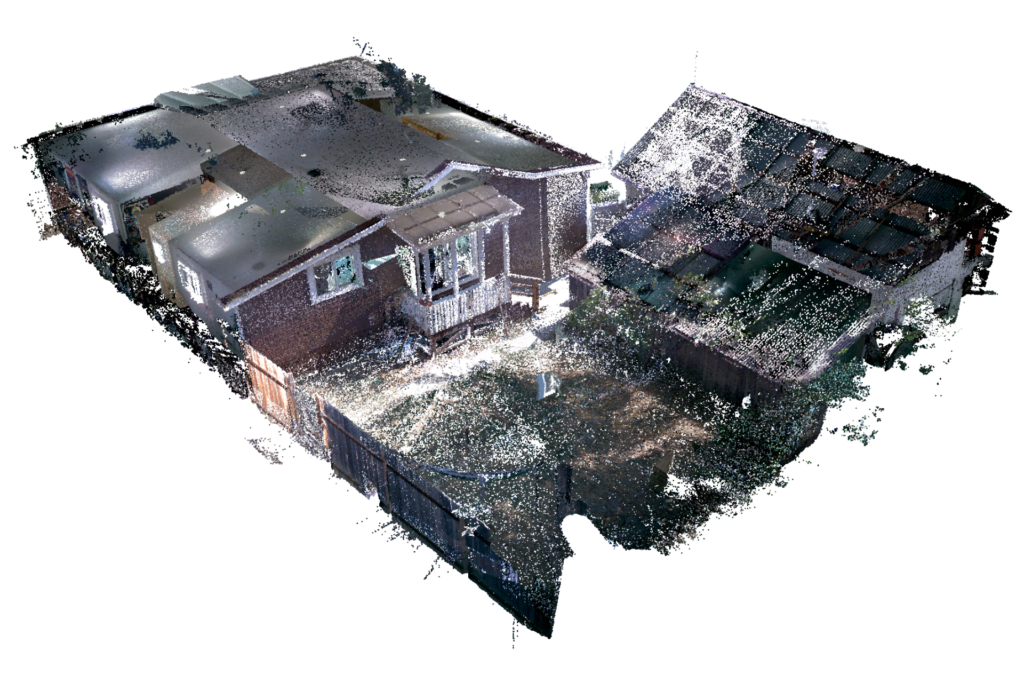
Multiple Means of Representation
Learners will be provided with information through multiple forms of representation. Rather than relying solely on written explanations, the resource will include diagrams, animations, interactive visualizations, and real-world examples of LiDAR applications. For example, learners will be able to explore a point cloud visualization rather than simply reading about what a point cloud is.
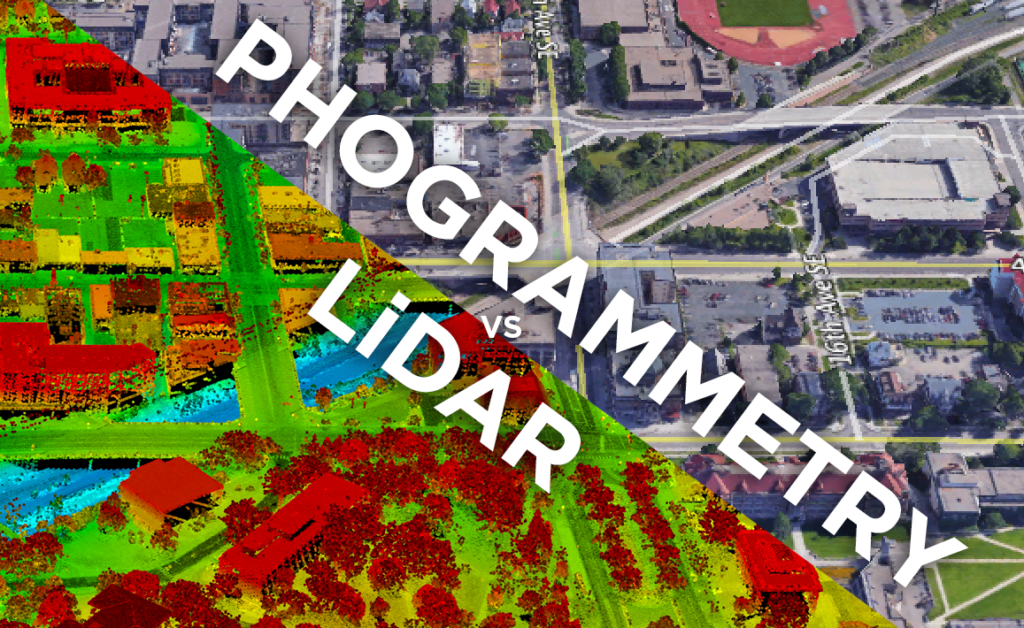
Multiple Means of Engagement
Learners will also have multiple ways to engage with the material. Some learners may be motivated by the mathematical side of uncertainty calculations, while others may be more interested in environmental applications such as flood mapping or forestry analysis. Including authentic examples from different fields helps learners connect the content to their own interests and goals.
Multiple Means of Action and Expression
Rather than relying on a single assessment format, the resource will include quizzes, short reflections, interactive activities, and scenario-based questions. This allows learners to demonstrate understanding using different strengths and abilities.
Limitations Worth Acknowledging
Designing for variability is not without tradeoffs. Offering multiple formats, pathways, and assessment options increases design complexity considerably. Without careful scaffolding, too many choices can overwhelm learners rather than support them — a risk that instructional design literature sometimes refers to as choice overload. For this resource, I plan to address this by introducing options gradually and keeping foundational concepts accessible before offering branching paths for deeper exploration. Additionally, foundational concepts such as coordinate systems and remote sensing will be introduced gradually, with optional support materials available for learners who need additional context.
Ultimately, designing for learner variability means recognizing that there is no “average” learner. By building in multiple pathways for engagement, representation, and assessment from the beginning, I hope to create a learning experience that is accessible, flexible, and meaningful for a diverse group of learners.
References
CAST. (2018). Universal design for learning guidelines version 2.2. https://udlguidelines.cast.org
Leave a Reply